.svg)
After surgery, the last thing anyone wants is complications from improper healing. However, many people leave the hospital with minimal guidance about caring for their surgical wounds, resulting in preventable infections and delayed recovery.
APEX Health Services provides comprehensive home health services throughout Chicago and the surrounding areas, offering specialized post-surgery wound care at home when you need it most. Let's explore how proper wound care techniques protect your health and accelerate your return to normal activities.
Types of Post-Surgical Wounds
Different operations create different healing challenges:
- Clean surgical incisions: These closed wounds from planned procedures typically have stitches, staples, or surgical glue holding the edges together. Examples include hip replacements, appendectomies, and gallbladder removals.
- Open wounds: Some surgeries leave areas that must heal from the inside out, often packed with special dressings. Abscess drainage sites and certain abdominal procedures fall into this category.
- Minimally invasive sites: Laparoscopic and arthroscopic procedures create small puncture wounds that generally heal quickly, but still need attention to prevent infection.
- Wounds with drains: Tubes placed during surgery to remove excess fluid require special management. Hip surgeries, mastectomies, and major abdominal operations often involve drainage systems.
- Skin graft and flap sites: Reconstructive procedures create both donor and recipient areas that need simultaneous care, with different protocols for each location.
Each wound type should be cleaned, dressed, and monitored differently. What works for one surgical incision might harm another, making personalized after-surgery home care invaluable during the recovery process.
Care Tip #1: Keep Your Surgical Wound Clean
Clean wounds are the foundation of healing faster and avoiding the complications that can derail your recovery timeline. The right cleaning approach removes bacteria without damaging delicate new tissue.
Handwashing Comes First
Before touching your wound site or any supplies, wash your hands thoroughly with soap and warm water for at least 20 seconds. It may seem like a simple step, but it prevents transferring bacteria from everyday surfaces directly into your healing tissue. Hand sanitizer works when soap isn't available, but avoid using alcohol based cleanser on the wound itself.
Choose Gentle Cleaning Solutions
Mild soapy water works perfectly for most wounds. Mix a small amount of liquid soap with lukewarm water, avoiding harsh antibacterial chemicals that can actually slow healing. Skip hydrogen peroxide and rubbing alcohol; while these seem "medical," they damage healthy cells trying to repair your incision. If your surgeon specified saline solution, use exactly what they recommended.
Apply Soft Pressure Only
Soak a clean cloth or gauze pad in your cleaning solution, then gently dab around the wound site. Never scrub or rub, as this traumatizes fragile new tissue. Work from the center outward to push bacteria away from the wound rather than toward it. Then, pat the area surrounding the incision dry with a clean towel using the same gentle technique.

Care Tip #2: Change Wound Dressings Properly
Regular dressing changes protect your wound from contamination while creating an environment that promotes healing. To manage wounds successfully, factor in both timing and technique.
Most surgical wounds need a new dressing daily, though some should be changed twice a day or only every few days. Constancy is key, so we recommend writing down your specific schedule and setting phone reminders to optimize healing speed. Change dressings more frequently if the old dressing becomes saturated with drainage or gets wet from showering mishaps.
- Removal technique: Peel tape strips slowly to avoid pulling on sensitive skin. If gauze sticks to your wound site, moisten it slightly with saline solution before attempting removal — yanking dried dressing rips off new tissue and restarts bleeding.
- Application method: Place a sterile dressing directly over your wound, ensuring coverage extends beyond the edges by at least one inch. If your doctor instructs you to use an antibiotic ointment, spread only a thin layer before applying your gauze pad.
- Monitor saturation: Dressings should absorb drainage without becoming soaked through. If you're changing saturated bandages more than twice a day, contact your healthcare providers.
Care Tip #3: Protect Your Wound from Moisture
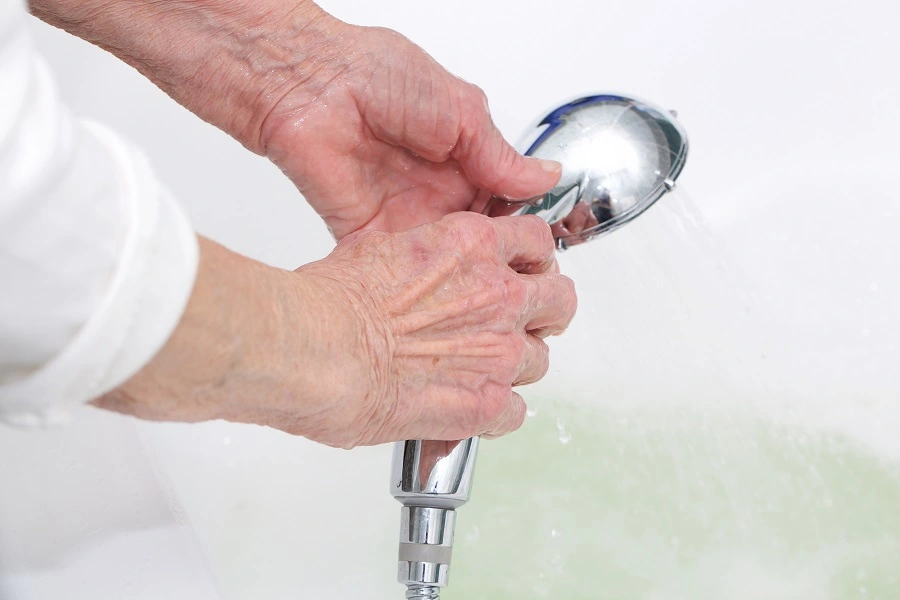
Water exposure poses serious risks during early recovery. Bacteria thrive in moist environments, turning a clean surgical wound into an infected wound within hours.
Showering Safely
Wait until your surgeon approves showering, typically 24-48 hours after surgery. When cleared, keep your wound dry by covering it with a plastic bag secured with waterproof tape around all edges. Shower quickly with lukewarm water. If the wound gets wet despite taking these precautions, pat it dry immediately and apply a new dressing.
Bathing Alternatives
If possible, take a sponge bath for the first week or two, carefully washing around your surgical site rather than submerging it. Fill a basin with warm water and mild soap, using a soft cloth to clean areas away from your incision. This approach keeps you fresh without the moisture risks that come with full bathing.
Swimming Restrictions
Pools, hot tubs, lakes, and oceans harbor bacteria that cause infections. Stay completely out of any body of water until your wound heals, and your doctor specifically says swimming is safe; this usually isn’t for at least two weeks, often longer for complex procedures.
Managing Sweating
Excessive perspiration creates the same moist environment that bath water does. Avoid strenuous activity, hot environments, and tight clothing that traps moisture against your wound site during recovery.
Care Tip #4: Monitor for Infection Signs
Even with excellent at-home wound care, infections sometimes develop. The earlier you catch problems, the easier it is to prevent minor issues from becoming serious medical conditions that require hospitalization.
Several signs of infection demand immediate attention. For example, increasing redness that spreads beyond the wound edges indicates bacterial growth. Swelling that gets worse instead of better after the first few days suggests trouble. Warmth radiating from the area surrounding your incision means inflammation has intensified. Pus or cloudy drainage, especially with a foul odor, confirms infection. A fever above 100.4°F signals that bacteria may have entered your bloodstream.
- Track healing progress: Take daily photos of your surgical incision with your phone, including a ruler for scale. These images help you and your wound care specialist objectively track changes rather than relying on memory.
- Know the warning signs: Most wounds show steady improvement day by day. If your incision suddenly gets worse after looking better, infection has likely taken hold. Wound edges that separate or a surgical incision where stitches pull through the skin both require urgent medical attention.
- Act on concerns: You know your body best, so trust your instincts. If something feels wrong with your wound healing, contact your healthcare providers immediately. Delaying treatment for an infected wound can lead to serious complications, including sepsis or chronic wound formation.
Care Tip #5: Supporting Your Body's Natural Healing
Beyond wound site care, you can optimize your entire system for faster recovery. These whole-body approaches work alongside proper wound care to accelerate tissue repair:
- Nutrition fuels repair: Your body needs extra protein during healing, so aim for lean meats, fish, eggs, beans, and dairy at every meal. Vitamin C supports collagen formation. Zinc aids immune function. Stay well-hydrated with water rather than sugary drinks.
- Rest enables recovery: Sleep is when your body does its most intensive repair work, so aim for 8-10 hours nightly during the first few weeks post-surgery. When possible, elevate surgical sites above heart level to improve blood flow to healing tissue.
- Gentle movement helps: Complete bed rest actually slows healing by reducing circulation. Walk short distances several times daily as approved by your surgeon. Avoid strenuous activity, heavy lifting, and exercises that pull on your incision until fully healed.
- Avoid smoking completely: If you smoke, quitting accelerates healing more than any other single action. Talk to your doctor about smoking cessation aids if you need them.
- Question herbal remedies: Many herbal remedies interfere with prescribed medications or increase bleeding risk. Always discuss any supplements with your healthcare team before using them during recovery.
Special Wound Care Situations

Not all surgical wounds follow standard healing patterns. Some scenarios need modified techniques or additional precautions beyond routine care:
Drains and Tubes
Surgical drains remove excess fluid while your body heals deeper tissues. Empty collection bulbs when half full, recording the amount and color. Clean around insertion sites with mild soap and water during dressing changes. If one slides out more than an inch, call your surgeon immediately.
Staples and Sutures
Metal staples and stitches hold wound edges together while healing progresses underneath. Never attempt to remove these yourself, and clean around staples with a damp cloth, removing any crusted material. If a stitch breaks and pokes out, trim the loose end close to skin level.
Steri-Strips and Surgical Glue
These adhesive closures fall off naturally as healing occurs, usually within one to two weeks. Don't pick at edges or try to peel them off early. They can get wet briefly during showering, but they should dry thoroughly afterward.
Wounds Left Open Intentionally
Some surgical sites must heal from the bottom up rather than being closed immediately. These often require packing material to be changed during each dressing session. Professional wound care often makes more sense for these complex situations.
When Professional Help Becomes Necessary

Despite your best efforts with at-home wound care, some situations require expert intervention. We’ve outlined what you need to know to protect yourself from preventable complications.
Emergency Situations
Seek medical attention immediately if your wound bleeds heavily and doesn't stop after 10 minutes of direct pressure. Any incision that opens wider than a quarter inch needs urgent evaluation. Fever with chills, confusion, or rapid heartbeat suggests sepsis requiring emergency care.
Concerning Developments
Schedule prompt appointments if redness spreads more than two inches beyond your incision in 24 hours. Yellow or green drainage, increased swelling, or warm areas warrant professional assessment. If there is foul-smelling discharge, it signals a bacterial infection that needs antibiotic treatment.
Healing That Stalls
If your surgical incision shows no improvement after two weeks, you may have developed a chronic wound requiring specialized treatment. In this case, wound care specialists offer advanced therapies like negative pressure dressings that restart stalled healing processes.
Preventing Larger Problems
Early intervention prevents complications that could derail recovery. Minor infections respond to oral antibiotics. Ignored infections spread deep into tissue and may require IV antibiotics or additional surgery. Skilled nursing services provide the professional expertise needed to catch and address complications before they become serious.
FAQ
What Happens Next in Your Recovery?
Fortunately, most surgical wounds heal without problems when given proper care. Following the techniques that we’ve outlined for cleaning, dressing, and protecting your incision dramatically reduces complications and speeds your return to normal activities.
APEX Health's skilled nursing team provides expert surgical wound care throughout Chicago and surrounding communities. We mean it when we say we care for your family like they’re our own. Our nurses deliver daily wound assessments, advanced dressing techniques, and immediate response to healing concerns, all in the comfort of your home. Contact us today to arrange professional support that gives you confidence in your recovery and the best possible healing outcomes.
.webp)